Straight answers.
Practical guidance, policy updates and appeal decisions for the people bringing schemes forward. Find the issue that matters to your site.
No matching insights
Try a broader search, another topic or a wider date range.
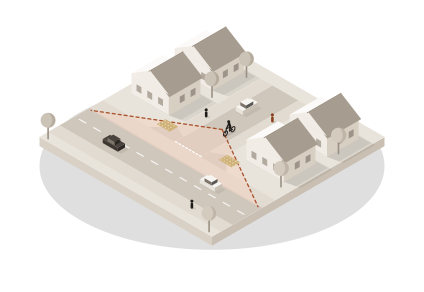
A departure from access guidance still needs a workable design
A Watford driveway appeal was allowed despite departures from local guidance. The parking space still had to be enlarged, and the street context was central to the decision.
Read
A rural access can be acceptable without meeting every guideline
A Thurston barn conversion appeal shows why the road, the use and the evidence matter. The highways case succeeded, but the appeal did not.
Read
An existing access does not settle the case for its replacement
An Ainley Top householder appeal shows why the road, visibility and pedestrian movements need to be tested before a new access becomes part of the layout.
Read
Driveway applications: prepare the right plans for the right consent
A practical sequence for new or widened driveway access, from checking the application route to preparing a coordinated crossing plan.
Read
Driveway planning permission: check the surface and the access
The planning position can depend on the frontage works, drainage, road classification and the rights attached to the property.
Read
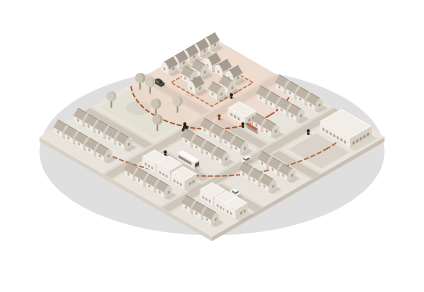
EIA Screening: explain the transport effects early
What transport information can contribute to an EIA screening request, and why a small traffic total can leave important questions unanswered.
Read
ES Scoping: define the transport assessment before the chapter
A clear transport contribution to EIA scoping identifies receptors, assessment scenarios, methods and the work shared with other specialists.
Read
Footway crossover access: design the pavement as well as the driveway
Vehicle crossover, crossover access and dropped kerb are common terms for a vehicle route across the footway or verge. Its design must work for people using both.
Read
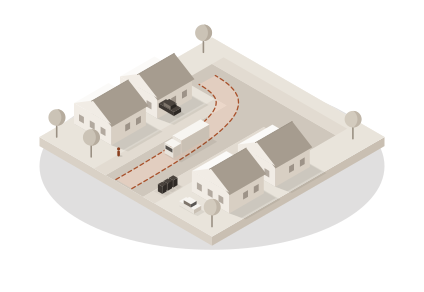
For open storage, the delivery route is part of the site
A Gosport appeal shows why a broad storage use needs a defined transport envelope, evidence of its baseline and a delivery route that works beyond the gate.
Read
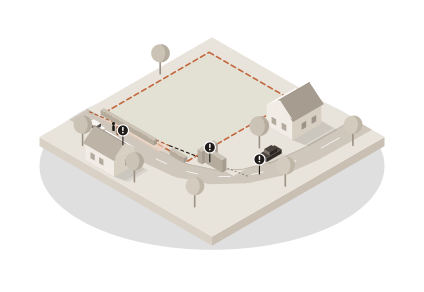
Private access: settle the rights and the road design together
The access route, its legal status, the proposed use and the servicing arrangements all matter when a development relies on a private road.
Read
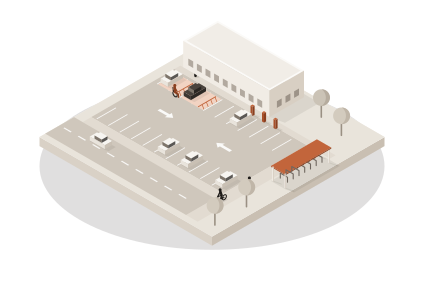
Private driveway design: make the available space work
Parking, vehicle movement, visibility, gradients and drainage should be tested together before a private driveway layout is fixed.
Read
The 2026 NPPF: bring transport into the first sketch
The August 2026 Framework puts transport policy in TR1 to TR8. What that means for a site brief, an emerging layout and the evidence behind it.
Read
The ES transport chapter: turn traffic forecasts into environmental evidence
How the transport chapter of an Environmental Statement should connect the scheme, its movements, environmental effects and mitigation.
Read
Transport scoping: agree the questions before buying the surveys
A practical transport scoping brief sets the study area, evidence, assumptions and programme before the assessment gets under way.
Read
Vehicle tracking should improve a layout, not design it for you
How to use swept path analysis early, choose the right vehicle and keep space for people, landscape and buildings.
Read

A new footway or dropped kerb outside your site: what Section 278 really involves
Fees, bonds, approvals and timescales for highway works on small schemes, explained plainly.
Read
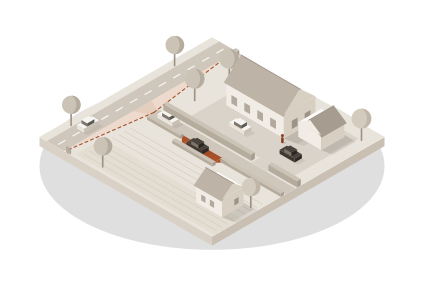
Barn conversions: getting the access right under Class Q
Transport and highways impacts are one of the few matters the council can consider. Lanes, visibility and passing places decide most cases.
Read
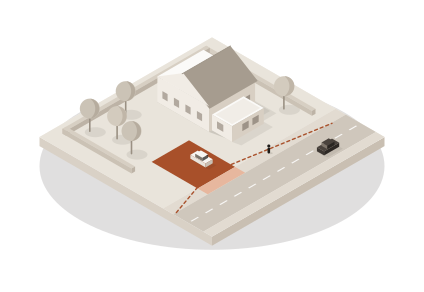
Building a house in your garden: the access questions to answer first
Width, visibility, bins, fire engines and the neighbours. The transport issues that decide most backland and infill schemes.
Read

Cafés, takeaways and drive-thrus: what worries highways officers
Parking, delivery riders, queues and passing trade: the issues to answer for food and drink schemes.
Read
Does a new dropped kerb need planning permission?
Two separate consents, the roads where the rules change, and why some driveways get refused.
Read
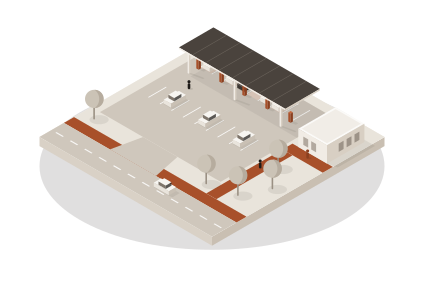
EV charging hubs: how many trips are really new?
Why most visits are already on the road, and how to evidence it.
Read
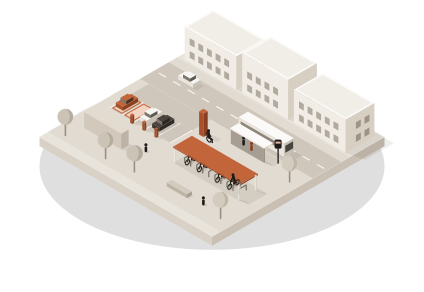
Fewer parking spaces than the standard: when it’s acceptable
Local standards are a starting point. The location, car ownership data and on-street conditions decide whether less parking works.
Read
Five things highways officers look for at pre-app
Get these right early and the formal consultation tends to go far more smoothly.
Read
Five transport checks to make before you fix a layout
Visibility, parking, bin lorries, fire access and gradients: the things that cause late redesigns.
Read
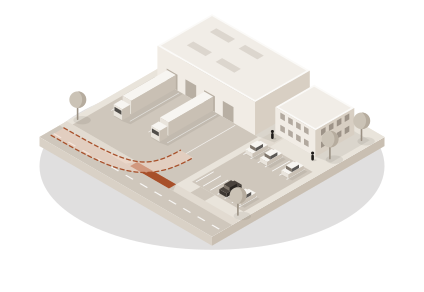
Getting credit for the existing use: the fallback argument
Why the traffic a site already generates, or lawfully could, should be the starting point for judging a new scheme.
Read
Highways objection on your application? What to do next
Most objections can be answered. How to read the response and what a good reply looks like.
Read
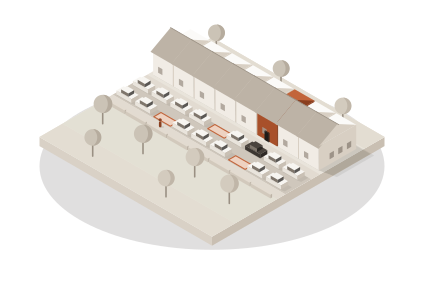
HMOs and flat conversions: parking stress surveys explained
When councils ask for one, how the survey works, and what the 85% figure really means.
Read
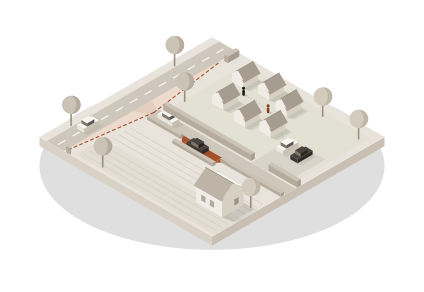
Holiday lets and glamping: will the lane be a problem?
Rural access, trip numbers and changeover days. How to answer the questions councils ask about tourism schemes on country lanes.
Read
Is pre-app worth paying for on a small scheme?
An honest answer on when highways pre-application advice is worth the fee, and when it isn’t.
Read
Refused on highways grounds? What inspectors look for on small schemes
How highways reasons for refusal are tested at appeal, and the evidence that wins and loses.
Read
Should you get transport advice before you buy a site?
A short appraisal of access and transport risks costs a fraction of finding the problem after exchange.
Read
Small business units: servicing, deliveries and vehicle size
Designing yards and accesses for the vehicles that will actually use them, not the biggest lorry in the book.
Read
The 30, 25 and 45 metre rules: bins and fire engines on small layouts
The Building Regulations distances that catch architects out late, and how to design them in from the first sketch.
Read
Transport for a 9-home scheme: what the council actually needs
Why most small housing schemes need a short note, not a thick report, and what that note must cover.
Read
Transport Statement or Transport Assessment? How to tell
The thresholds, the grey areas, and how to agree the right one before you spend.
Read
Visibility over land you don’t own
Verges, hedges, the highway boundary and ransom strips: why visibility splays can stall a small site, and what to do about it.
Read
Visibility splays explained in plain English
What the numbers mean, where they come from, and when they can flex.
Read
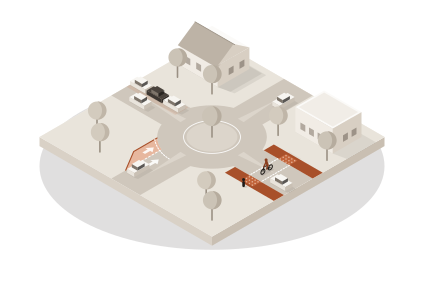
What "severe" really means in the NPPF
The one word that decides whether a council can refuse on traffic grounds, and why most objections never get near it.
Read
Articles are general information, not advice on a specific site. For advice on your scheme, send us the site.
Statement or Assessment? Know before you spend.
The thresholds councils use, what pushes a scheme up a level, and how to avoid over-scoping.